As a personal growth nerd my self, I love everything that comes with it. I love studying not just the psychology of personal development itself, but also the spirituality of it including all the “woo woo” like manifesting or the law of attraction, energy work, mindfulness and so on. ✨
The thing is I also love science! I believe spirituality and science are inseparable. Everything can be explained from the science perspective, only sometimes it needs some time to catch up.
One of the hottest topic that mentioned a lot is manifestation – essentially it’s about how we manifest what we desire to life. There are many teachers or books teaching about manifesting techniques from affirmations, vision board to meditations.
However, I always curious about the science behind it. Dr. Joe Dizpensa and Dr. Tara Swart are some of my favorite figures who can explain it in a very simple way from the science perspective.
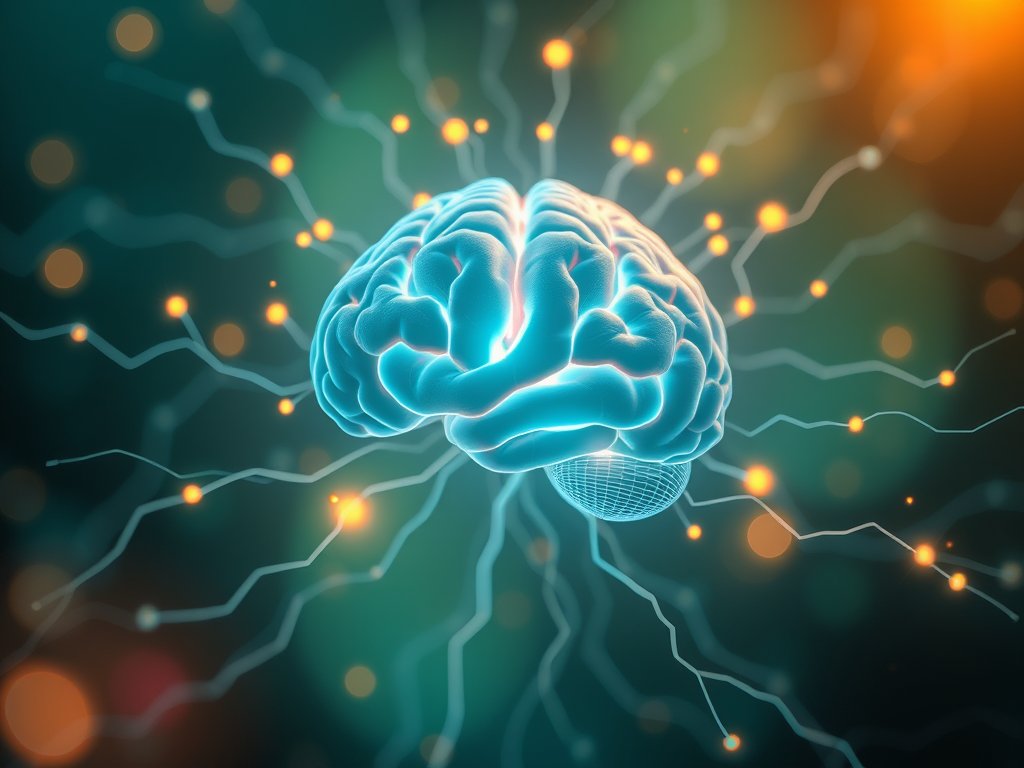
I personally love dr. Tara! She is no.1 leading neuroscientist in the world and she talks a lot about Neuroplasticity – which is the neuroscience behind the manifestation.
So, what is neuroplasticity?
According to dr. Tara (and a bit of AI to summarize), in a nutshell:
- Neuroplasticity is like a super power for your brain. It means your brain can change and grow, even as an adult. It’s kind of like your brain being able to learn new tricks.
- For example, if you start learning a new language, your brain will create new connections to help you understand and speak it. Or, if you practice playing a musical instrument, your brain will get better at controlling your fingers and understanding the music.
- So, basically, your brain is super flexible and can adapt to new things. It’s like a muscle that gets stronger the more you use it!
So how does neuroplasticity can change our reality?
It plays a significant role in how our belief systems shape our reality. They way that we change our reality – which is manifesting – comes from how we view and act towards life, and the life we want to create. I goes something like this,
- Our beliefs create neural pathways in our brains. These pathways are like roads that guide our thoughts, feelings, and actions.
- The more we think or act in accordance with a belief, the stronger these neural pathways become. This makes it easier for our brains to automatically think and behave in a certain way.
- If we change our beliefs, we can gradually alter these neural pathways. This means that we can rewire our brains to think and behave differently.
- We started to see life differently, we take action differently, and we capture more possibilities in life. Our reality change, in which we start to actively create our life.
Isn’t it amazing?
I love watching her interview! She’s been interviewed in so many podcast and I still can’t get enough (I can star 2 hours watching her! lol). There are so many rich and amazing information every single time. If you want to deep dive more and focus on manifestation, here is one:

So, what do you want to manifest in your life?
Share with me if you feel called.
My wish for you do whatever it takes to manifest your dreams into reality. You are meant to thrive, not just survive.
And if you ever need my support, I’m here for you. ❤️
Have a fantastic week! ✨

With love,
Inuk
P.S. There’s still limited spots left for 1-on-1 Executive Coaching Program for you who are ready to elevate your professional and personal development to a new height. Book your free consultation call today!
Not sure coaching is for you? Read my clients’ stories
 TRI NURAINI
Leave a reply to 3 Neuroplasticity Techniques for Positive Manifestation | My Brain Rewired Cancel reply